Ever wondered Are gaming laptops supposed to be hot during an intense gaming session You are not alone Many dedicated US gamers balancing demanding jobs and family life with their passion for gaming frequently encounter this concern when their portable powerhouse heats up Navigating the fine line between normal operating temperatures and potentially damaging overheating is crucial for maintaining performance extending your device's lifespan and ensuring uninterrupted fun This comprehensive guide cuts through the noise offering clear actionable advice to help you understand why gaming laptops generate heat what safe temperatures look like and most importantly how to effectively manage thermals With 87 percent of US gamers regularly dedicating 10 plus hours a week to their favorite titles optimizing your gaming experience without breaking the bank or sacrificing your hardware's health is a top priority Discover practical tips from experienced gamers on setup optimization cooling solutions and maintenance strategies to keep your rig running cool and smooth whether you are diving into the latest AAA release or enjoying a cozy co-op with friends
Q: Why is my new gaming laptop getting so hot during games?
A: It's common for new gaming laptops to run hot because they pack powerful hardware into a compact space, pushing components to their limits for high performance. The heat generated by the CPU and GPU during intensive gaming is normal. Ensure proper airflow by using a flat, hard surface or a cooling pad to optimize thermal management from the start.
Q: What temperature is too hot for a gaming laptop while playing?
A: Generally, CPU temperatures consistently above 90C (194F) and GPU temperatures consistently above 85C (185F) are considered too hot for prolonged periods. While brief spikes are normal, sustained high temperatures can lead to thermal throttling, performance degradation, and accelerated wear on your components, potentially shortening the laptop's lifespan.
Q: How can I tell if my gaming laptop is overheating versus just running warm?
A: The key indicators of overheating include frequent performance drops like stuttering or freezing, a burning smell, unusually loud and persistent fan noise even after cooling down, or the laptop unexpectedly shutting down. If the chassis is uncomfortably hot to touch or you see visual glitches, it's likely overheating, whereas just feeling warm around the vents is often normal operation.
Q: Do gaming laptop cooling pads actually make a noticeable difference?
A: Yes, quality gaming laptop cooling pads can make a significant and noticeable difference, often lowering CPU and GPU temperatures by 5-10 degrees Celsius. They improve airflow to the laptop's intake vents and elevate the device, preventing hot air recirculation and helping the internal fans work more efficiently. This can reduce thermal throttling and enhance performance.
Q: Is it bad to always game with my laptop plugged in?
A: No, it is generally recommended to game with your laptop plugged in. Gaming on battery power will significantly limit your laptop's performance due to power-saving measures. Modern gaming laptops have advanced battery management systems that prevent overcharging, often including features to preserve battery health by limiting charge cycles if always plugged in. It helps maintain peak performance.
Q: How often should I clean my gaming laptop for heat issues?
A: For optimal thermal performance, you should aim to clean your gaming laptop's fans and vents with compressed air every 3 to 6 months. This prevents dust buildup that obstructs airflow and traps heat. If you game frequently, live in a dusty environment, or have pets, more frequent cleaning might be necessary to maintain efficient cooling.
Q: Can software or settings changes help reduce my gaming laptop's heat?
A: Absolutely. Adjusting in-game graphics settings like resolution, texture quality, or anti-aliasing to slightly lower levels can significantly reduce the load on your GPU and CPU, thus generating less heat. You can also use software to create custom fan curves, undervolt your CPU (with caution), or cap your frame rate, all of which can help manage temperatures effectively.
We have all been there. You are deep into a critical boss fight or a nail-biting esports match, your hands are flying across the keyboard, and then you notice it: a distinct warmth radiating from your gaming laptop. Perhaps the fan noise ramps up to what sounds like a jet engine, and you start to wonder, "Are gaming laptops supposed to be hot?" This question echoes in the minds of countless US gamers, especially those of us balancing our digital adventures with real-world responsibilities like work and family. We cherish those precious hours of relaxation, skill-building, and social play, and the last thing we want is our trusty rig to falter.
The truth is, gaming laptops are indeed designed to run hot. They pack powerful desktop-grade components like CPUs and GPUs into a much smaller chassis, pushing them to their limits to deliver incredible performance. However, there is a big difference between "hot" and "too hot." Understanding this distinction is key to optimizing your setup, extending your laptop's life, and ensuring your gaming sessions remain smooth and enjoyable. With 87 percent of US gamers regularly engaging with their favorite titles and many dedicating 10 or more hours a week, especially with mobile and PC/console cross-play becoming more common, keeping your hardware in top condition is essential for sustained fun and competitive edge. This article will guide you through everything you need to know about gaming laptop thermals, offering practical, no-nonsense solutions to keep your system cool.
Are Gaming Laptops Supposed To Get Hot During Play?
Yes, absolutely. Gaming laptops are fundamentally designed to operate at higher temperatures than standard laptops. This is a direct consequence of their powerful internal components, specifically the CPU (Central Processing Unit) and GPU (Graphics Processing Unit). These components generate a significant amount of heat when under heavy load, which is exactly what happens when you are running a graphically intensive game. Unlike desktop PCs with their spacious cases and multiple large fans, gaming laptops have limited space for cooling solutions, meaning heat dissipation is a constant challenge. Modern thermal designs aim to manage this heat effectively, but warmth is an unavoidable byproduct of high performance.
What Are The Safe Temperature Ranges For Gaming Laptops?
Understanding safe temperature ranges is vital for peace of mind and hardware longevity. Generally, for the CPU, temperatures between 70C and 85C (158F to 185F) are considered normal under load during gaming. Some high-performance CPUs might even briefly touch 90C (194F) in demanding scenarios before cooling systems kick in, but sustained periods above 90C are generally not recommended. For the GPU, a range of 65C to 80C (149F to 176F) is typically considered safe while gaming. Going consistently above these ranges, especially into the high 90s for extended periods, can lead to thermal throttling and accelerated component degradation. Always consult your laptop manufacturer's specific guidelines, but these are solid general benchmarks.
Why Does My Gaming Laptop Get So Hot In The First Place?
Several factors contribute to a gaming laptop's heat production. Primarily, it is the sheer power of the components. The CPU and GPU are constantly processing millions of calculations per second, drawing significant wattage, and this energy conversion generates heat. Secondly, the compact form factor of a laptop severely limits the size and effectiveness of cooling systems compared to a desktop. Heat sinks are smaller, and fans, though efficient, have less space to move air. Additionally, dust accumulation within the laptop's vents and fans can significantly impede airflow over time, trapping heat inside. Poor thermal paste application from the factory or dried-out paste after a few years also reduces heat transfer efficiency from the chips to the heatsinks. Even ambient room temperature plays a role; a hot room will naturally make it harder for your laptop to cool itself.
How Does Overheating Affect My Gaming Performance And Laptop Lifespan?
Overheating primarily impacts performance through a mechanism called thermal throttling. When your CPU or GPU reaches a critical temperature threshold, it automatically reduces its clock speed and power draw to prevent damage. This leads to noticeable performance drops, like stuttering frames per second (FPS), lag, and overall system sluggishness. For gamers who enjoy competitive titles or story-driven adventures alike, this can be incredibly frustrating. Beyond immediate performance, sustained high temperatures can significantly reduce the lifespan of your laptop's components. Heat accelerates the degradation of microchips, solder joints, and battery health. It can lead to premature hardware failures, meaning your investment might not last as long as it should, forcing you into an unexpected budget upgrade sooner than you planned.
What Are The Best Ways To Effectively Cool A Gaming Laptop?
Managing your gaming laptop's heat is a multi-pronged approach:
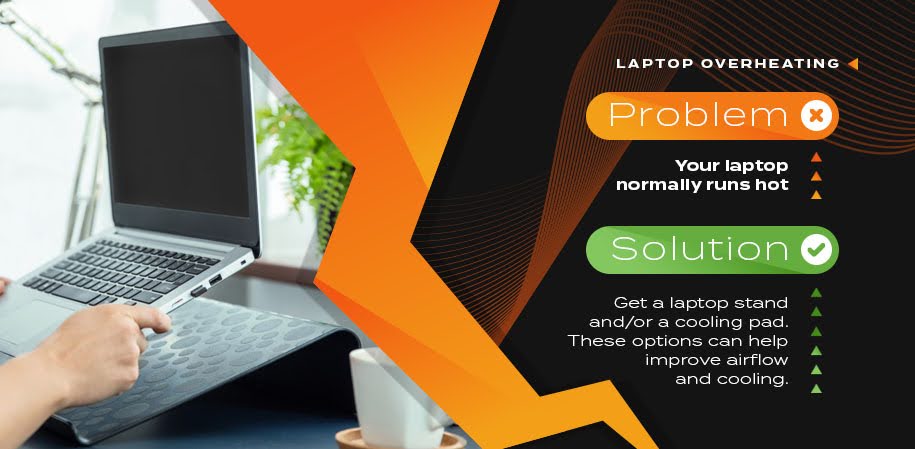
Optimize Airflow: Never game with your laptop directly on a soft surface like a bed or carpet. These block crucial intake vents. Use a flat, hard surface like a desk. Better yet, invest in a good quality laptop cooling pad. These provide an elevated surface and additional fans to push cool air into your laptop's intake vents, which can lower temps by several degrees.
Clean Regularly: Dust is the enemy of cool. At least once every 3-6 months, use compressed air to blow out dust from your laptop's fan vents. For more experienced users, carefully opening the laptop (if comfortable and not voiding warranty) to clean fan blades and heatsinks can make a huge difference.
Repaste Thermal Paste: After a couple of years, the factory-applied thermal paste on your CPU and GPU can dry out, becoming less effective. Replacing it with high-quality thermal paste (e.g., Arctic MX-4, Thermal Grizzly Kryonaut) can dramatically improve heat transfer. This is a more advanced step and should only be done if you are confident with laptop disassembly or by a professional.
Adjust In-Game Settings: Lowering demanding graphical settings like anti-aliasing, shadow quality, or texture resolution can reduce the load on your GPU and consequently lower heat generation. This is a quick and effective way to manage temps without hardware changes.
Monitor Temperatures: Use monitoring software like HWMonitor, MSI Afterburner, or NZXT CAM to keep an eye on your CPU and GPU temperatures. This helps you understand what is normal for your system and when adjustments are needed.
When Should I Be Worried About My Gaming Laptop's Heat?
While some heat is normal, certain signs indicate that your laptop is getting too hot and requires attention. You should be worried if you experience:
Constant Thermal Throttling: Frequent and noticeable performance drops (stuttering, low FPS) even in games that used to run smoothly.
Excessive Fan Noise: Fans constantly spinning at maximum RPM even during light tasks, or making unusual grinding noises.
Hot-to-Touch Chassis: The keyboard, palm rest, or bottom of the laptop becoming uncomfortably hot to touch for extended periods.
Sudden Shutdowns: Your laptop abruptly turning off without warning, which is often a safety mechanism to prevent damage from extreme overheating.
Visual Artifacts: Glitches, strange colors, or lines appearing on your screen, which can indicate GPU overheating.
If you notice any of these symptoms, it is time to investigate and apply the cooling solutions discussed above.
Are There Specific Games Or Settings That Make Laptops Hotter?
Absolutely. Games that are graphically intensive and demand a lot from your GPU and CPU will naturally make your laptop run hotter. This includes most AAA titles released in the last few years, especially those with advanced ray tracing, high-resolution textures, or complex physics. Think of titles like Cyberpunk 2077, Starfield, Alan Wake 2, or high-fidelity simulation games. Multiplayer online battle arenas (MOBAs) or cozy games might be less demanding, but even they can push hardware if settings are maxed out. Even the resolution you play at (e.g., 1440p vs. 1080p) and your refresh rate (e.g., 144Hz vs. 60Hz) will impact heat. Essentially, any setting that asks your GPU and CPU to do more work will generate more heat. Balancing graphical fidelity with thermal management is a key skill for any laptop gamer.
Does Elevating My Laptop Make A Real Difference In Temperatures?
Yes, elevating your laptop makes a significant and often overlooked difference. Most gaming laptops draw cool air from the bottom. When your laptop sits flat on a desk, the air intake vents are often partially or completely obstructed. Elevating it, even by an inch or two using a stand or simply propping up the back with some sturdy objects (like bottle caps or small books), creates a crucial air gap. This allows for unobstructed airflow to the intake vents, enabling the internal fans to draw in more cool air and push out hot air more efficiently. Combined with a cooling pad, elevation can be one of the simplest yet most effective ways to reduce operating temperatures and improve thermal performance.
Is It Normal For Gaming Laptop Fans To Be Very Loud While Gaming?
Yes, loud fan noise is generally a normal and expected characteristic of gaming laptops under load. The fans are working hard to dissipate the significant heat generated by the powerful CPU and GPU. As components heat up, the laptop's thermal management system automatically increases fan speeds to push more air through the heatsinks, which results in increased noise. Think of it as your laptop's way of telling you it is performing optimally to keep temperatures in check. While excessive or unusual noises like grinding or rattling could indicate a problem, a consistent, powerful fan hum during intense gaming is typically a sign that your cooling system is doing its job effectively. Many gamers use headphones to mitigate this noise, allowing them to fully immerse themselves in the game without distraction.
Can External Monitors Cause My Gaming Laptop To Run Hotter?
Yes, connecting an external monitor can sometimes cause your gaming laptop to run a bit hotter, especially if you are using it to display games at a higher resolution or refresh rate than your laptop's internal screen, or if you are running multiple displays. This is because rendering visuals for an external monitor puts additional strain on your laptop's dedicated GPU, causing it to work harder and thus generate more heat. If you are using both the laptop's screen and an external monitor simultaneously, the GPU is essentially doing double duty, which will almost certainly lead to higher temperatures. To mitigate this, consider closing your laptop lid if you are only using the external monitor (ensure your power settings are configured not to put it to sleep) and adjust game settings appropriately for the external display's resolution and refresh rate.
As busy adults who game to unwind, socialize, and master new skills, we want our gear to perform flawlessly without constant worry. Understanding that a warm gaming laptop is a normal part of the experience, combined with proactive cooling and maintenance, empowers you to get the most out of your valuable gaming time. Keep an eye on those temperatures, maintain good airflow, and do not hesitate to optimize settings for a smoother ride. What is your biggest gaming challenge when it comes to keeping your laptop cool? Comment below and let us help each other out!
FAQ Section
Q: Should I undervolt my gaming laptop?
A: Undervolting your CPU can significantly reduce temperatures and power consumption without a noticeable performance hit. It involves reducing the voltage supplied to the CPU, making it run cooler. However, it requires careful testing and knowledge, and improper undervolting can lead to system instability. Proceed with caution or seek expert help.
Q: How often should I clean my gaming laptop's fans?
A: For optimal performance and longevity, it is recommended to clean your gaming laptop's fans and vents every 3 to 6 months. Gamers in dusty environments or with pets might need to do it more frequently. Regular cleaning prevents dust buildup that chokes airflow.
Q: Does gaming on a cooling pad actually help?
A: Yes, a good quality laptop cooling pad with powerful fans can absolutely help. It elevates the laptop for better airflow and provides active cooling by blowing air directly into the laptop's intake vents. This can result in temperature drops of 5-10 degrees Celsius, improving stability and performance.
Q: Can I use external fans to cool my laptop?
A: While dedicated laptop cooling pads are best, strategically placed external fans can supplement cooling by improving ambient airflow around your laptop. Directing a desk fan towards the laptop's intake or exhaust vents can provide some benefit, especially in warmer rooms.
Q: Is it safe to game with my laptop plugged in constantly?
A: Yes, it is generally safe and recommended to game with your laptop plugged in. Gaming on battery power will severely limit performance as the system throttles to conserve energy. Most modern gaming laptops have smart charging features that protect the battery from overcharging, though some users opt for battery health modes that limit charging to 60-80% for long-term storage.
Understanding normal vs dangerous gaming laptop temperatures Impact of heat on performance and lifespan Effective cooling solutions for gaming laptops Maintenance tips for optimal thermal management Signs your gaming laptop is overheating Importance of airflow and proper ventilation for gaming rigs Thermal throttling explained and how to avoid it
35



The Best Gaming Laptops Of 2026 At CES YouTube . Las Mejores Laptops Gamer De 2026 Gu A Para Elegir Best Laptop Ever . Red Magic Gaming Laptop 16 PRO 2026 Red Magic Gaming Laptop 16 PRO 2026 74474549hdx . The Ultimate Buying Guide To Gaming Laptops 2026 Sourav Joshi Vlogs Best Gaming Laptops 2026 . Check Out The Latest ROG Gaming Gear Revealed At CES 2026


What Gaming Laptops NEED To Get Right In 2026 YouTube . Top 10 Best Gaming Laptops Of 2026 Next Gen Power Revealed YouTube . The Best Cheap Gaming Laptops For 2026 Tested For Gaming Top 3 Gaming Laptops Of 2026 - The Ultimate Guide . ASUS ROG Showcase At CES 2026 Confirmed With New Gaming Gear Laptops 109228 43 Asus Rog Showcase At Ces 2026 Confirmed With New Gaming Gear Laptops And Future Technology Full . Best Budget Gaming Laptops 2026 Top Value Picks Best Budget Laptops For Gaming 2026 1024x600



Top 10 Gaming Laptops To Buy In 2026 Power Meets Innovation YouTube . 2026 New Gaming Laptop Intel 15 6 16GB 1024GB SSD Notebook PC Win11 3 Ph 11134207 81ztq. Best Gaming Laptops 2026 Top 5 Picks With RTX 50 GPUs Price Comparison Top 5 Gaming Laptops In 2026. Gaming Laptops Are They Truly Worth It In 2024 Gaming Laptops . Best Gaming Laptops For Every Type Of Gamer In 2026 Social.webp




Top 10 Best Gaming Laptops To Buy In 2026 Power Performance What S . Intel 16th Gen CPUs What To Expect Cheap Gaming Laptop 2026 1024x576 . Best Gaming Laptops For Every Type Of Gamer In 2026 Blog.webp. Top 10 Gaming Laptops Of 2026 Unleash Next Level Power YouTube . Best Gaming Laptops For Every Type Of Gamer In 2026



How To Choose The Right Gaming Laptop 2026 What You Need To Know WIRED The Ultimate Quest How To Choose The Right Gaming Laptop . Top 10 Best Gaming PC In 2025 Builds For 4K Gaming 10 Best Acer Gaming Laptops With Powerful. 2026 Laptop Buying Guide Gaming Laptops Vs Regular Laptops Achiever Blog 1 2048x1152 . Best High End Gaming Laptops For Smooth Gameplay 2026. Laptop Overheating 8 Common Causes And Solutions Images Laptop Runs Hot Graphic




Top 5 Laptop Gaming Ng Mua Nh T 2026 K Nguy N AI PC RTX 50 Series Gemini Generated Image . Gaming Specs Laptop Level Up Your Game Best Gaming Laptops Of Ces 2025 . Top 5 BEST Gaming Laptops In 2026 YouTube . BEST Gaming Laptop 2026 Don T Buy Before Watching YouTube . Top 5 Best Gaming Laptops For 2026 The Ultimate Guide 2026 Rank1one Gaming Laptops




Top 5 BEST Gaming Laptops In 2026 Watch This Before Buy YouTube . BEST GAMING LAPTOPS IN 2026 REVIEWED AND RANKED Technical . OLED S Back On Alienware Gaming Laptops In 2026 And I Ve Witnessed 1.fit Lim.size . Best Gaming Laptops 2025 Performance And OnlyMov Tech Gaming Laptop . Best Laptops 2026 Grab These 7 Hot Picks Before They Sell Out Best Gaming Laptops 2026 8 Must Have Picks For Instant Wins